In this article
Ideas are easy to come by. Choosing the right product idea – one that adds real value for you and your users – takes work. Pursuing the wrong one will cost you time, money, and effort. That’s why product validation is such a critical part of the product development process. At Digiits we’ve got this down to a science.
What is product validation?
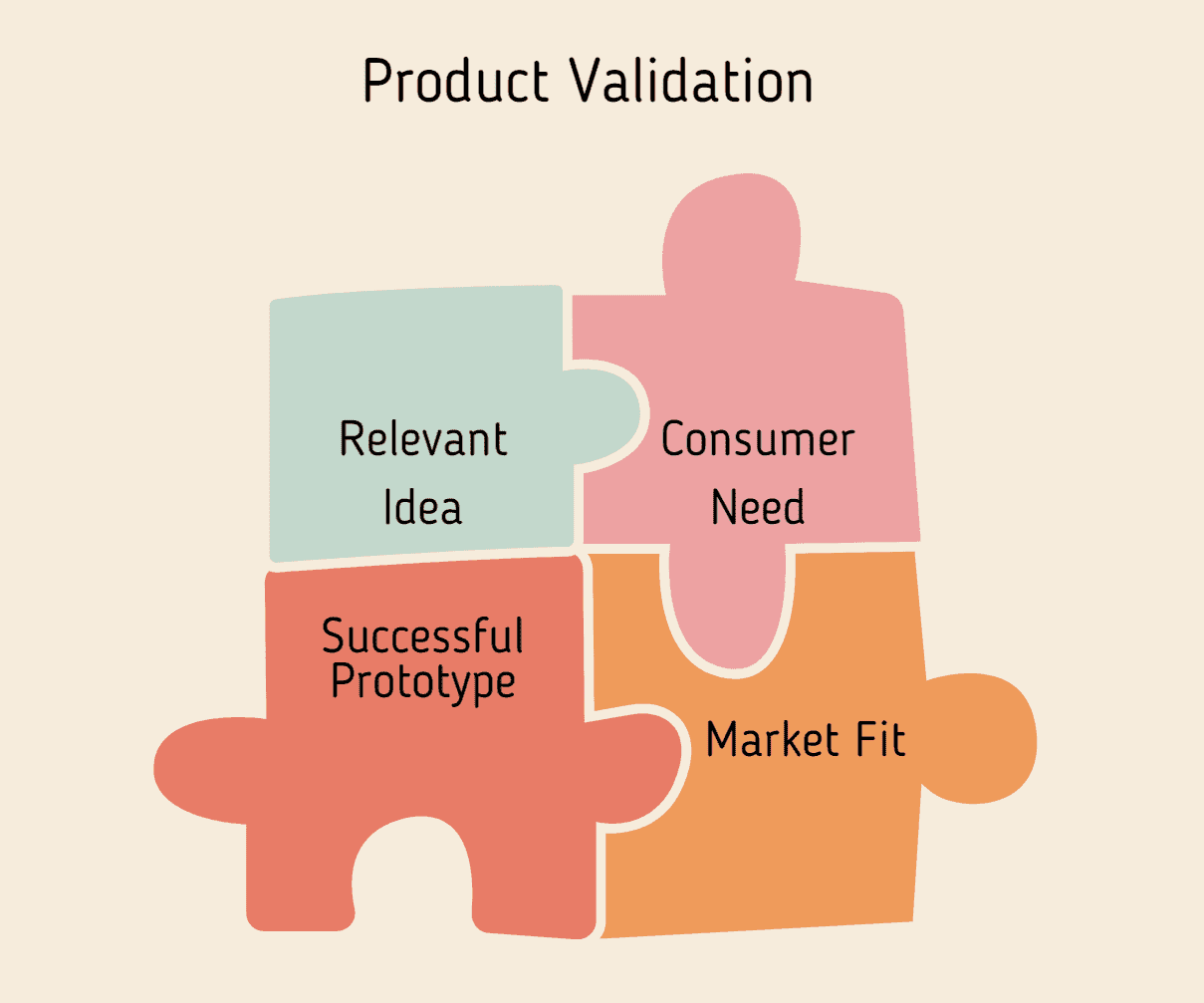
Successful products solve problems. Product Validation is working out whether or not what you’re building will have a positive impact for you and your users, before you begin to build it. It’s how you know there’s demand for what you want to make.
We do this by combining market research, user interviews, and rapid prototyping to get to the heart of whether your idea solves the pressing problems your audience wants to solve.
When done right, product validation massively reduces your risk and increases your return on technology investment. It saves you from spending time, money, and effort building something that doesn’t support your users and doesn’t help you to achieve your most important business goals.
When do you do product validation?
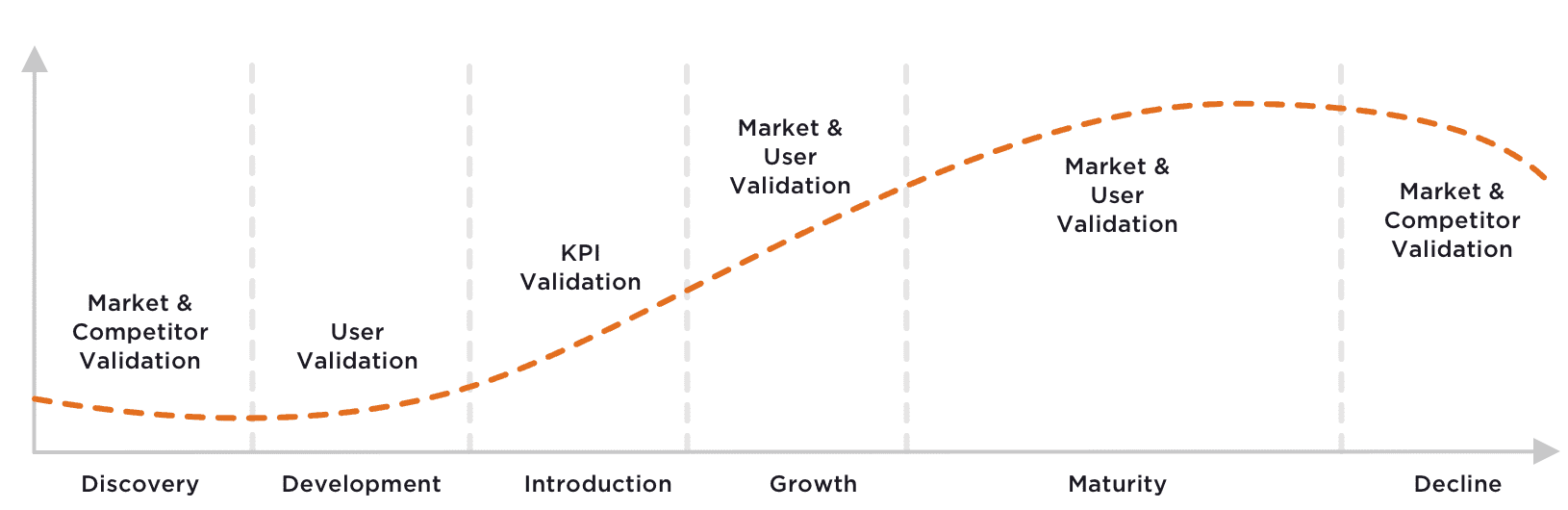
Product validation isn’t a one-time thing. It’s not limited to the first phase of your app build. Instead, it’s an integral part of every development sprint that follows.
The more you practice product validation, the closer you get to understanding what makes your users tick. And the more cost-effectively you can deliver key features that create real, lasting value.
This means that the slicker you can make this process, the easier and quicker you can find the right ideas – the ones that are going to ensure the success of the next iteration in your product’s lifecycle.
Asking the right questions
One of the key principles behind validating your product idea is to ask the right questions early on. The right questions will challenge your idea, remove any baked in biases, and help to make sure you fully understand the problem you’re trying to solve.
If you’re rigorous about asking the right questions upfront, you will save time, money and effort later down the line.
Interrogating the problem
Before you begin development, you need to understand who your target user base is, what they want to achieve, and what’s getting in their way. You also need to know how your product is going to solve their priority pain points and help them in their journey. So, at this stage, the questions you need to ask yourself are:
Who is your product for?
What problems does it solve for them?
How are they solving these problems currently?
How will your product solve them better?
What are the key features you need to deliver?
Analysing the competition
At the same time, you also need to understand the other players in the space, whether there’s a real gap for your product idea to fill, and what will set your solution apart from the rest. To do this, you have to know:
Is there a gap in the market for your product idea?
Who will be your main competitors?
Why haven’t they filled this gap?
What are their strengths and weaknesses?
What features are they missing that you will provide?
It’s important to be objective and impartial when considering all these questions. The harsh truth is that users only really care about the problems they’re facing and the desired outcomes they want to achieve – they care less about the solutions or features than you or your competitors do
Because of this, you need to consider carefully how much of a leap forward your product idea will be compared with what’s available now – and whether it’s enough to draw users in.
Creating a new market
Even if you’re looking to create a completely new market around your product, you should still understand why it’s a new market. Consider the questions:
If it’s a new market, why hasn’t someone filled this gap yet?
What are the risks to filling it?
What blockers are going to get in your way?